When you buy through links on our articles, Future and its syndication partners may earn a commission.

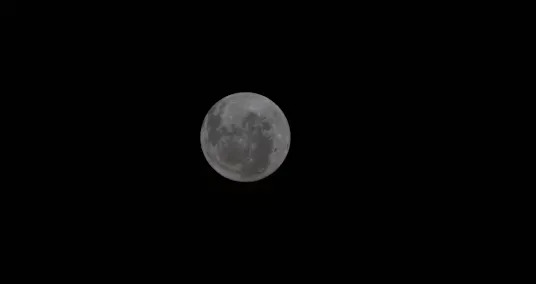
Look to the southern sky after dark on Dec. 26 to spot the waxing crescent moon shining near the gas giant Saturn among the stars of the constellation Pisces.
The 48%-lit moon will appear roughly halfway up the southern sky in the hours following sunset. Saturn will show up as a brilliant star less than four degrees to the lower left of the lunar disk. For scale, your three middle fingers held at arm's length span about five degrees of sky.
A pair of 10x50 binoculars should easily fit both Saturn and the moon within the same field of view, while revealing an assortment of fascinating surface features on Earth's natural satellite, which will appear almost half-lit just one day shy of its first quarter phase on Dec. 27.

Celestron NexStar 8SE

If you're looking to gaze at the planets, we reckon the Celestron NexStar 8SE is the best motorized telescope out there as it's great for astrophotography, deep-space observing and it offers stunning detailed imagery. It is a little pricey but for what you get, it's good value. For a more detailed look, you can check out our Celestron NexStar 8SE review.
Look to the upper region of the lunar crescent to find the menacing form of the Aristotles crater with its eastern rim bathed in impenetrable shadow. The Eudoxus crater is visible just beneath and beyond the dark expanses of Mare Serenitatis (the Sea of Serenity) and Mare Tranquilitatis (the Sea of Tranquility), which served as the landing site of the historic Apollo 11 lunar landing.

A telescope with a 6-inch (152 millimeter) aperture will begin to reveal the razor-thin profile of Saturn's rings, as they rest oriented edge-on to Earth following the gas giant's ring plane crossing in March. Astronomy filters can also aid in revealing details in Saturn's upper atmosphere, which appears divided into distinct multi-colored cloud bands that circle the gas giant at 1,600 feet (500 meters) per second.
Want to get a closer look at the diverse menagerie of worlds populating our solar system? Then be sure to browse our picks of the best telescopes for exploring the night sky, along with our guides to picking the best cameras and lenses for astrophotography, if you want to immortalize your stargazing sessions.
Editor's Note: If you capture an image of the moon with Saturn and want to share it with Space.com's readers, then please send your photo(s), comments, and your name and location to [email protected].
LATEST POSTS
- 1
 'Harry Potter' fans rejoice: HBO releases 1st trailer for new TV series, set to premiere this Christmas
- 24 African Vacationer Locations
- 3The most effective method to Help a Friend or family member Determined to have Cellular breakdown in the lungs
- 4Exploring Asia’s Realm of Flying Snakes
- 5New 'People We Meet on Vacation' trailer teases Poppy and Alex romance: Everything we know about the new Netflix movie




- Israel violated ceasefire with Hezbollah more than 10,000 times, UNIFIL claims
- 8 key takeaways from Savannah Guthrie's 'Today' interview on the disappearance of her mother
- Big Bear glows with big stars | Space photo of the day for Dec. 31, 2025
- Display of Netanyahu's severed head 'incites public to murder PM', Likud says in official complaint
- Dominating Monetary Administration: A Bit by bit Manual for Making an Individual Financial plan
- Tatiana Schlossberg's diagnosis puts spotlight on leukemia: What to know
- Artemis II crew take new photo of far side of the moon
- The Most Vital Crossroads in Olympic History
- Mickey Lee of 'Big Brother' fame dead at 35 after flu complications, family says