BUCARAMANGA, Colombia (AP) — Colombia’s army rescued six siblings after they spent three days hiding in the rainforest to avoid being captured by a rebel group in the southwestern province of Caqueta.
Defense Minister Pedro Sánchez said on X that five children and their adult sister were airlifted from a remote location following a “precise operation” involving helicopters.
“Attacking the civilian population, and especially minors is one of the worst inhumane acts, and when you do this repeatedly it becomes a war crime,” Sánchez said Tuesday.
The Defense Ministry said that a rebel group led by Alexander Díaz, a former commander of the Revolutionary Armed Forces of Colombia, or FARC, was attempting to capture the children after kidnapping their parents.
After the parents escaped captivity last week and sought refuge at a military base, the rebel group threatened to capture their children. In response, the family sent a worker to hide the children in a rainforest near the family’s farm in the municipality of Cartagena del Chaira.
The parents shared the children's location with the army, which was able to rescue them in the early hours of Tuesday.
Alexander Díaz, commonly known as Calarca, is one of several former FARC commanders who refused to join a 2016 peace deal with Colombia’s government.
He currently leads a group known as the EMBF that is in peace talks with the administration of President Gustavo Petro, and signed an agreement with the government last year in which it had said it would not recruit minors.
The Petro administration has attempted to hold peace talks with Colombia’s remaining rebel groups under a strategy known as total peace, which has shown few results so far.
According to international observers, groups like the EMBF have used various ceasefires with Colombia’s military to regroup, rearm and tighten their control over communities.
As rebel groups expand across Colombia, they continue to commit grave crimes against civilians, including kidnapping, forced displacement and the recruitment of children.
According to UNICEF, the forced recruitment of children by illegal armed groups in Colombia has quadrupled over the last five years. Humanitarian groups have said that these numbers could be an undercount because many families are reluctant to denounce cases of forced recruitment, fearing retribution from rebel groups.
___
Follow AP’s coverage of Latin America and the Caribbean at https://apnews.com/hub/latin-america
LATEST POSTS
- 1
 Becoming amazing at Systems administration: Individual and Expert Tips
 - 2Smooth out Your Funds: Cash The board Simplified
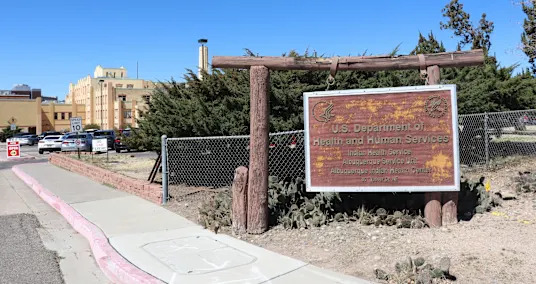
- 3Indian Health Service is digging out of decades-old construction backlog for medical buildings
- 4Step by step instructions to Pick the Right Dental specialist for Your Teeth Substitution
- 5Supportive Tips On Home loans For First-Time Home Purchasers




- Katz, IDF: We assassinated IRGC intelligence chief Majid Khademi
- Doctors say changes to US vaccine recommendations are confusing parents and could harm kids
- The most effective method to Guarantee Simple Availability in Seniors' SUVs
- Activists guilty over Palestine protest breach
- Careful Connections: Building Association and Trust
- Instructions to Help a Friend or family member Determined to have Cellular breakdown in the lungs
- Mountain Trekking on a Tight spending plan: Tracking down the Right Bicycle
- Excelling at Discussion: Genuine Examples of overcoming adversity
- Find the Advantages of Deep rooted Getting the hang of: Extending Information and Self-awareness